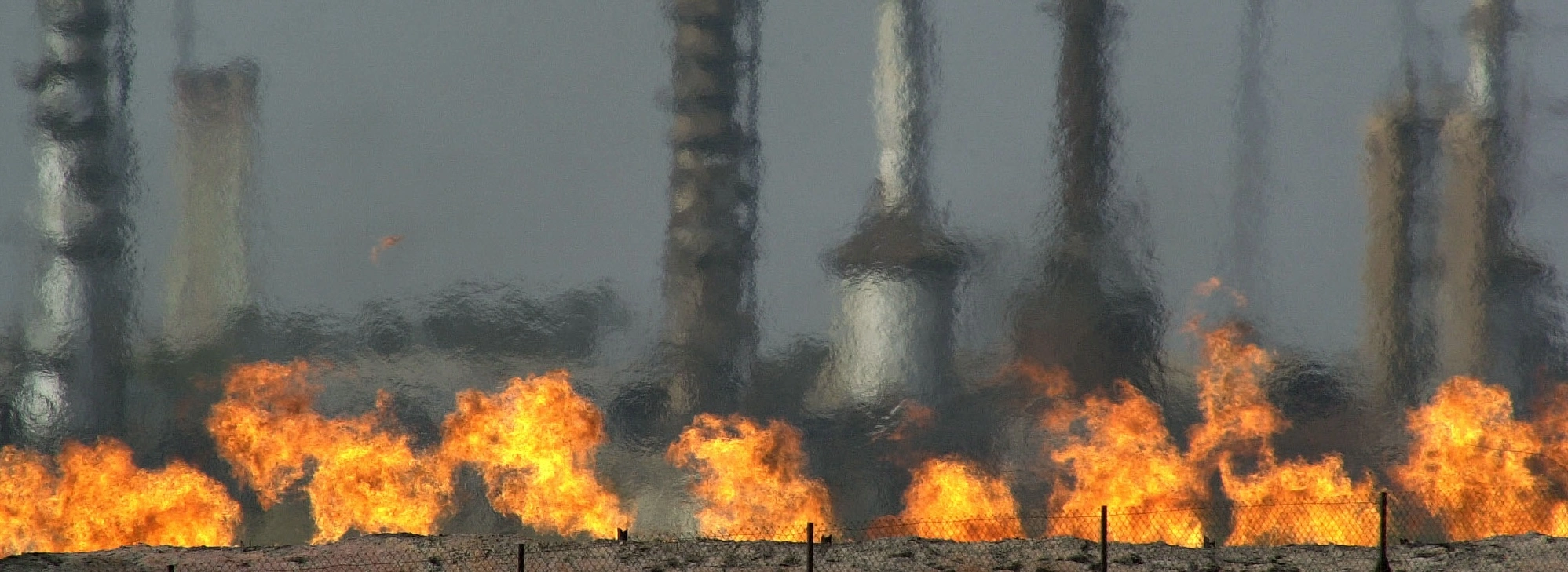
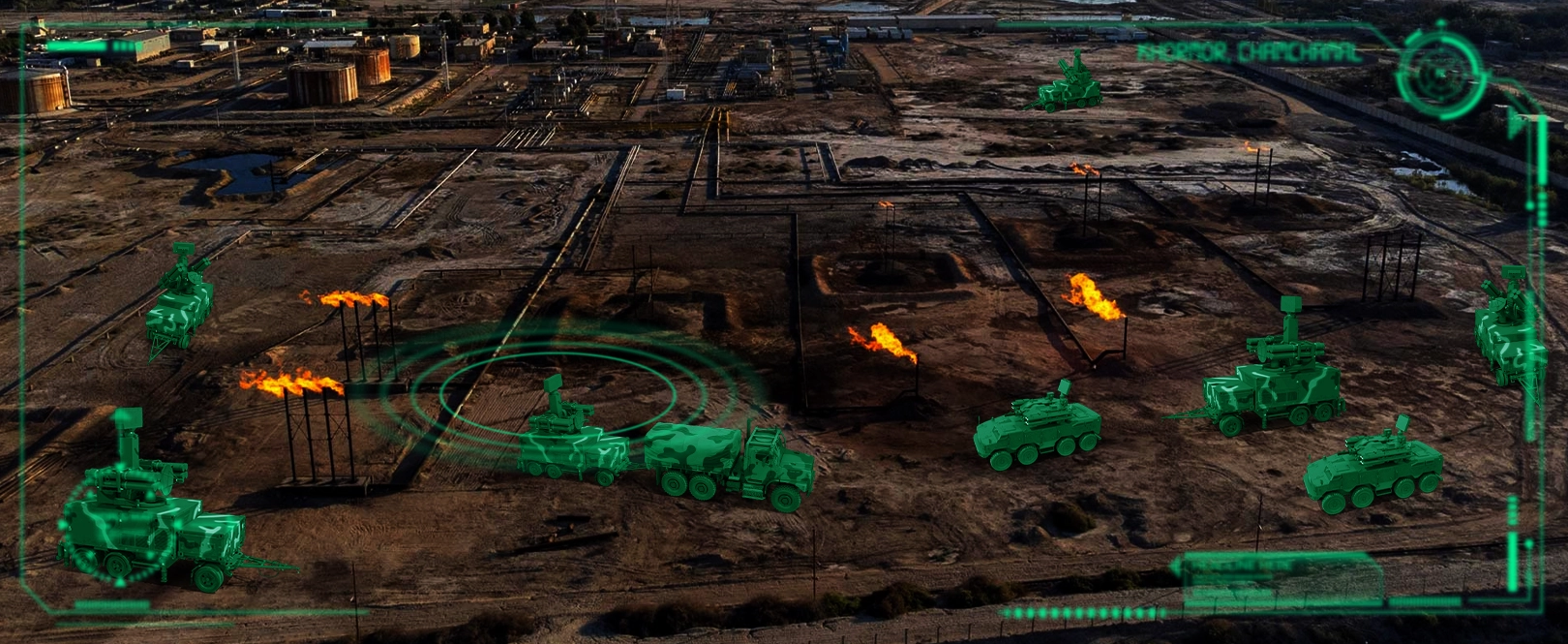
 Image Description: Khor Mor gas field in Chamchamal District in Sulaymanyah Province, overlaid with 3D holographic graphics depicting imagined air-defense systems and military combat vehicles around the site.
Legitimacy Without Security: The Kurdistan Region’s Security Dilemma
Case in Study: Recent attacks on the Kurdistan Region’s energy infrastructure in Khor Mor gas field
Kurdistan Region’s Security Deficiencies
Within federal Iraq, the Kurdistan Region (KRI) holds a semi-autonomous status with constitutional and territorial legitimacy. However, this legitimacy falls short without security imperatives to protect the KRI from state and non-state threats, especially remote strikes. The KRI, within the Iraqi federal framework, does not have a unified force and lacks modern defense capabilities necessary to protect its status in a geographically challenging neighborhood. The recent attacks, still unclear if they were drone or rocket attacks, on KRI’s nascent energy infrastructure, namely the Khor Mor gas field, represent significant security gaps in modern armaments and strategic defense capabilities, such as advanced radar, surveillance, and drone/missile defense systems. Historically, the Kurdistan Region has had a limited basket of instruments to meet its security objectives, particularly regarding the protection of critical energy assets such as gas and oil.
Under the Constitution, defense and national security are primarily federal exclusive competencies, which prohibit the KRI from independently pursuing major arms acquisitions or establishing external defense partnerships without Baghdad's coordination or approval. As such, the KRI has limited capacity to protect or respond effectively to threats emanating from both internal and external jurisdictions. However, the KRI’s defense capabilities are paramount to neutralizing threats targeting its critical energy infrastructure and thus economic backbone.
The material damages from the Khor Mor gas field attack, which the US Embassy and President Trump’s Envoy to Iraq called a terrorist attack, halted gas production from around 750 million standard cubic feet per day (MMscf/d), slashing electricity output by 80 percent across Erbil, Sulaymaniyah, and Duhok provinces, from 4,000 MW to 1,000 MW. Through annual power purchase agreements, the KRI exports electricity, partly generated from the Khor Mor gas, to federal Iraq’s northern provinces at 1,200–1,600 megawatts (MW), according to Kurdistan Regional Government (KRG) Electricity Ministry statements.

A similar incident was reported on November 23rd, 2025, when security forces at the Khor Mor gas field detected and shot down a drone attempting to enter the area. In April 2024, a kamikaze drone struck Khor Mor, killing four Yemeni workers and severely damaging the field. According to surveillance footage, the unmanned aerial vehicle (UAV) was a Murad-5 (Shahid-101) drone, the type used by Iranian-backed militias in Iraq.
Disputes over the KRG energy deals have contributed to security concerns around energy infrastructure vulnerabilities in the KRI.
Disputes over the KRG energy deals have contributed to security concerns around energy infrastructure vulnerabilities in the KRI. For instance, on February 2, 2025, a kamikaze drone targeted the gas field—the same day Iraq’s parliament moved to end a dispute with the Kurdistan Region over energy issues affecting Iraqi oil exports. The Khor Mor gas field has been the subject of 9 attacks in the last four years, according to Almada Paper, an Iraqi media outlet.
The Khor Mor gas field accounts for Iraq's largest gas producer with 8.2 trillion cubic feet of reserves and is operated by the UAE-based Dana Gas company and lies in the Chemchamal District in Sulaymaniyah province. Dana Gas, originally based in Sharjah, is part of the Pearl Petroleum consortium, which also includes Crescent Petroleum, formed in 2009. Iraq's Security Media Cell labeled the drone and possible rocket attack(s) a "treacherous terrorist act," leading to Baghdad and Erbil forming a joint probe. Iraqi officials investigating the site at Khor Mor informed Dana Gas that measures will be taken to strengthen airspace protection over the site in the future.
Dana Gas has previously attempted to secure defense systems for the Khor Mor gas field, though these efforts have been fruitless due to the KRI’s legal status. Dana Gas at the moment requests security guarantees from relevant parties in the KRI and Iraq to operate the field effectively.
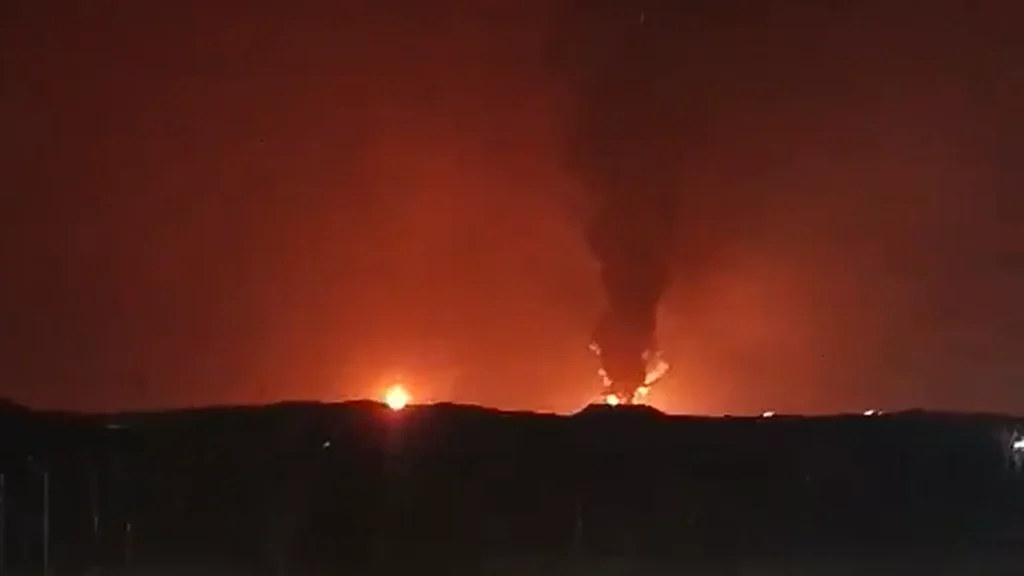
Repeated incidents throughout 2024-2025 targeting the KRI’s energy infrastructure fundamentally limit the Kurdistan Region’s capacity for achieving energy independence. These attacks also deter foreign investments that could threaten, for instance, Iran’s energy dominance. More significantly, these attacks represent economic sabotage aimed at curbing the KRI’s entry into global gas markets via pipelines, such as the Türkiye-to-Europe pipeline. This KRG energy ambition directly impacts Iran’s regional energy influence and limits Baghdad’s control over exports.
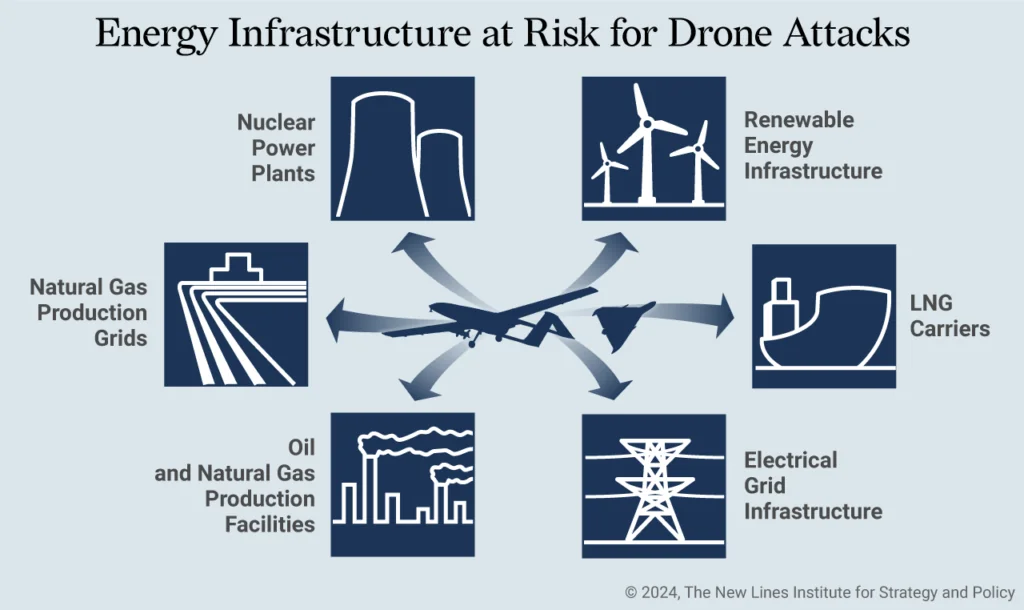
Drone attacks on KRI’s energy sites represent an outlier phenomenon: attacks on critical energy infrastructure outside declared conflict zones.
Generally, drone attacks on energy infrastructures have become a global phenomenon. However, most of these drone attacks take place in conflict zones, such as the Houthi-Saudi conflict, Red Sea shipping attacks, and Ukraine-Russia war. Drone attacks on KRI’s energy sites represent an outlier phenomenon: attacks on critical energy infrastructure outside declared conflict zones. In both cases, the need to protect power systems and increase the safety of energy supplies remains critical against remote drone attacks, writes energy expert Chaouki Ghenai at New Lines Institute.
The KRI’s ability to thwart, neutralize, and respond to repeated aggressions is severely limited due to the absence of a layered defense approach, also called Integrated Air Defense System (IADS), that can effectively combine detection, surveillance, interception, and rapid kinetic response.
KRI’s Defense Base Within Federal Iraq
The effectiveness of KRI’s security forces is heavily reliant on its command and control structure as well as the quality of the weapons in its arsenal. The KRI’s forces, namely the Peshmerga forces, are yet to be integrated under one unified command structure. The divided status of the units of the Peshmerga Forces has substantially contributed to an inherent lack of consolidated defense strategy and insufficient armaments. The KRI’s ability to thwart, neutralize, and respond to repeated aggressions is severely limited due to the absence of a layered defense approach, also called Integrated Air Defense System (IADS), that can effectively combine detection, surveillance, interception, and rapid kinetic response.
Specifically, responding to repeated drone and missile strikes on the KRI’s energy infrastructure necessitates site-specific deployment of air defense systems and additional weapons. Such defense capabilities include radar and surveillance systems, short-range air defense, and medium/long-range surface-to-air missile (SAM) systems, plus electronic warfare capabilities. In the Middle East, Israel’s “David’s Sling” is among the world’s 10 most powerful and effective air defense systems, a multi-purpose defense system equipped with anti-ballistic missiles and medium- to long-range surface-to-air missiles. The following table illustrates Middle East countries, including the GCC states, Türkiye, Iraq, and Jordan, with different types of air defense capabilities.
Air Defense Capabilities of Some Countries in the Middle East
| Air Defense Capabilities | Systems | Purpose | Cost (per unit/system) | Middle East Examples |
| Detection/Surveillance | AN/TPQ-53, EL/M-2084 | Early warning (100+ km), EO/IR | $50-200M | UAE, Saudi Arabia |
| SHORAD | Pantsir-S1/S2, Iraq’s Pantsir-S1, APKWS, MANPADS (Stinger/Mistral) | Drone/missile intercept, point defense | $13-20M (Pantsir); $20-400K (others) | Iraq (Pantsir), UAE/Saudi Arabia /Qatar (Pantsir/APKWS/Stinger) |
| Medium/Long-Range SAM | NASAMS, Patriot PAC-3, KM-SAM | Cruise/ballistic neutralization | $100M-$1B+ (battery) | Qatar/UAE/Saudi Arabia |
| Electronic Warfare | Drone Dome/Skylock | GPS jamming, non-kinetic | $5-20M | UAE/Saudi Arabia |
| Kinetic Response | Bayraktar TB2, HIMARS/GMLRS | Counterstrikes | $5-10M + munitions | Turkey/Qatar/UAE (TB2); UAE/Jordan (HIMARS) |
Effective deterrence for KRI’s critical energy infrastructure demands Iraq’s recognition of shared national security interests.
The Kurdistan Region, given its semi-autonomous status, must revert to the federal government for any chance of bolstering its air defense capabilities, as per Article 110 of the Iraqi Constitution. To protect its nascent energy infrastructure, the KRI needs to coordinate with the federal government to explore available options for air defense and counter rocket, artillery, and mortar (C-RAM) systems. Khor Mor's geographic location on the Kurdistan Region’s periphery makes it incredibly vulnerable to drone and missile attacks. Thus, effective deterrence for KRI’s critical energy infrastructure demands Iraq’s recognition of shared national security responsibilities.
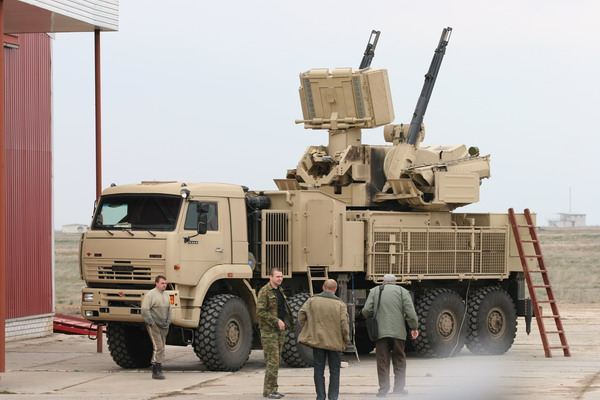
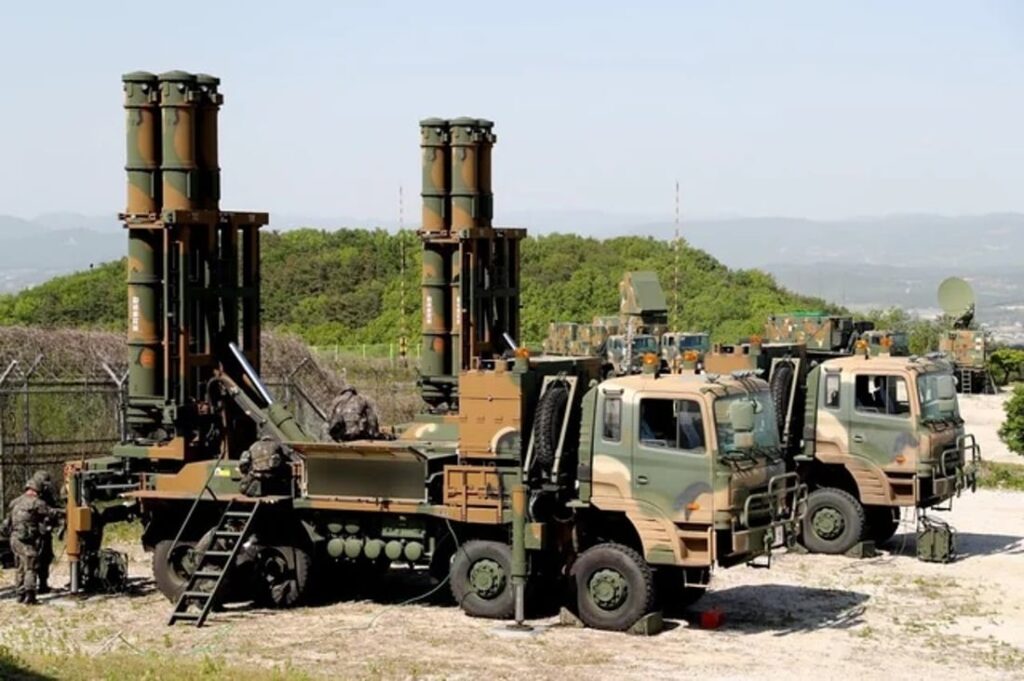
Iraq, since the Gulf War, has had limited air defense capabilities. At the moment, Baghdad’s air defense capabilities consist of short-range American-made Avenger and medium-range Russian-made Pantsir-SI systems. Baghdad’s appetite for strengthening air defense capabilities grew in the aftermath of the 12-day Israel-Iran War in June 2025. Baghdad signed a defense deal with South Korea and currently expects to receive advanced, medium-range KM-SAM air defense missile systems in early 2026. Neither has the KRI participated in Iraq’s air defense upgrade, nor has it been a beneficiary of Baghdad’s current defense systems. For instance, Baghdad lacks the willingness to shield the KRI from internal or external attacks using the Pantsir-SI defense systems in areas under direct KRI administration.
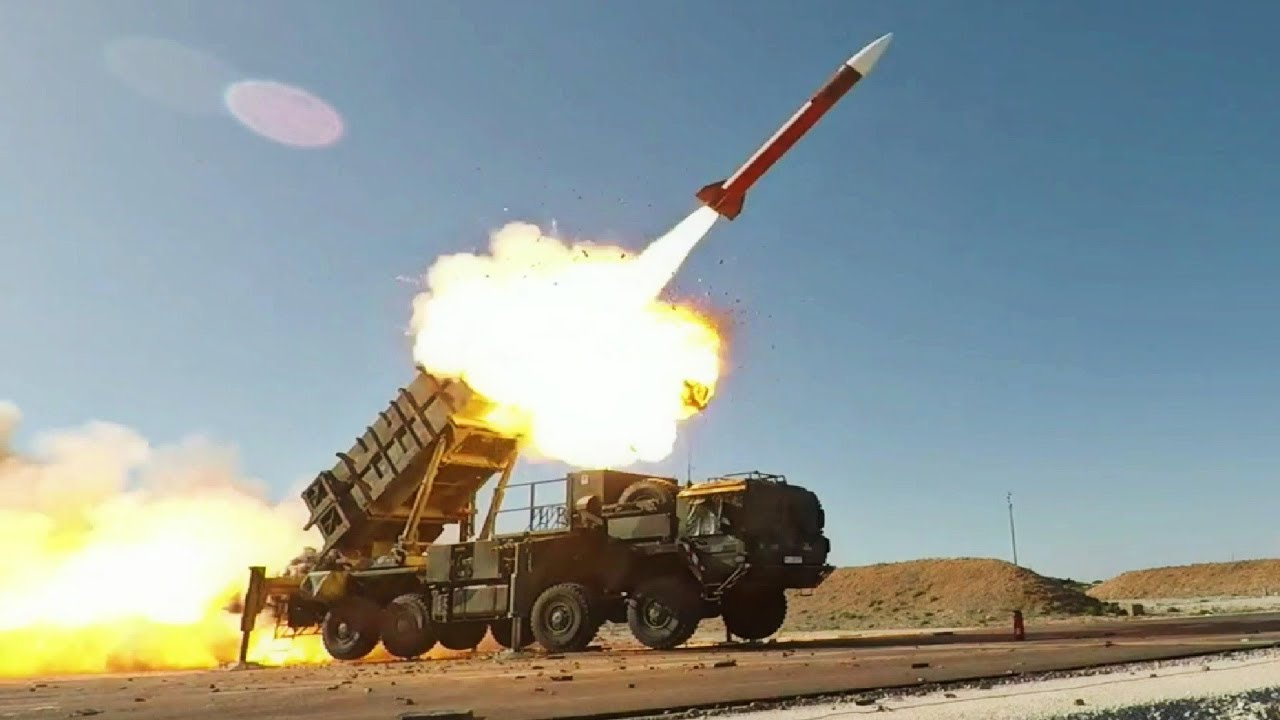
On multiple occasions, the United States has reiterated its support for strengthening KRI’s defense capabilities by providing means to defend itself from drone and missile attacks. The KRG has previously engaged in defense talks with the US to supply the KRI with short- to medium-range systems capable of countering incoming missiles and drone attacks. The US, under constant fire by Iranian-backed militias, has only deployed MIM-104 Patriot PAC-3 air defenses and Counter Rocket, Artillery, and Mortar (C-RAM) systems to its bases: Ain Al-Asad base in Al-Anbar province and Erbil International Airport.
Overall, the international community, including the US, has occasionally pledged support for KRI to protect its energy assets, yet these pledges lack formal structural security or defense agreements sufficient to counter and deter the outstanding threats the KRI faces.
Understanding KRI's Defense Imperative
Bolstering KRI’s defense capabilities largely depend on improving diplomatic leverage with Baghdad, which holds the key to approving the KRG’s defense deals and armaments under the Constitution and strict defensive measures. Key international partners, in coordination with Baghdad, may also help the KRI acquire advanced arms and defense systems tailored to counter drone and missile threats, especially around critical energy infrastructures. The KRI should gradually pursue enduring bilateral partnerships with international partners for upskilling, training, intelligence, and technology sharing. These steps require robust lobbying on behalf of the KRI at the federal Iraqi and international levels to enhance security commitments in recognition of the KRI’s defense needs in an era of proliferated drone and missile warfare, fueled by their low cost of production.
Deterrence emerges as a significant imperative to strengthen the KRI’s future defense infrastructure against recurring drone and missile attacks. This objective cannot be divorced from advanced modern weaponry and surveillance capabilities, particularly arms and defense systems tailored to counter low-cost threats.
Contrary to popular narratives, a centralized defense system in Baghdad, which is based on an equal partnership with the KRI, enables the KRI to defend against threats and respond to them as necessary.
KRI’s long-term vision should center on policy leverage with Baghdad in the Parliament to secure a bilateral defense agreement with the federal government to neutralize incoming threats to areas under the KRI administration. This policy shift requires KRI’s current divided factional approach toward Baghdad to be unified in a strategic framework that prioritizes the KRI’s collective security interests first. Contrary to popular narratives, a centralized defense system in Baghdad, which is based on an equal partnership with the KRI, enables the KRI to defend against threats and respond to them as necessary.
A unified defense and diplomatic strategy between Iraq and the KRI would also leave little room for weapons in the hands of militias outside state control. Ultimately, protecting critical infrastructures, such as Khor Mor, heavily depends on a security environment conducive to stability and development in both Iraq and the Kurdistan Region.
Content Type:Commentaries